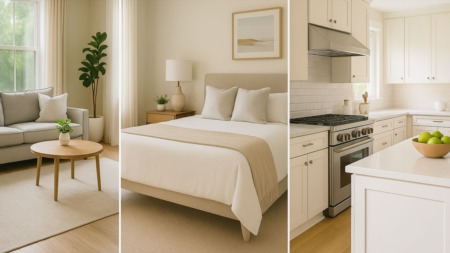
Selling Your Home in Northern Virginia? These 3 Rooms Matter Most to Buyers
When it comes to selling your home, not all rooms are created equal.
Buyers don’t remember every bedroom, hallway, or storage space—but there are three rooms that consistently shape how they feel about a home and how much they’re willing to pay for it.
According to the 2025 National Association of REALTORS® Profile of Home Staging, the living room, primary bedroom, and kitchen are the most influential spaces when buyers are deciding whether to make an offer—and how strong that offer will be.
Here’s how to make each one work in your favor.
Why These Rooms Matter So Much
The NAR data confirms what most experienced agents already know:
-
Living Room:
-
91% of sellers’ agents stage it
-
71% of buyers’ agents say it’s very or somewhat important
-
-
Primary Bedroom:
-
83% of agents stage it
-
71% of buyers’ agents say it impacts buyer decisions
-
-
Kitchen:
-
51% of buyers’ agents say it directly influences perception
-
And expectations are high.
Nearly 48% of buyers expect homes to look like what they see on HGTV, and 58% report disappointment when listings fall short. That disconnect can absolutely affect both offers and time on market.
The payoff?
Staged homes typically sell for 1%–5% more than unstaged homes. On a $500,000 home, that can mean $5,000–$25,000 more—often from simple, strategic changes.
1. The Living Room: Your First Impression Room
In Northern Virginia homes, the living room sets the emotional tone almost immediately. Buyers decide within minutes whether a home “feels right.”
How to stage it effectively:
-
Declutter and depersonalize
Remove personal photos, excess décor, and bulky furniture. Buyers need to imagine their life here. -
Create a clear conversation layout
Arrange furniture to define the space and make it feel inviting—not shoved against walls. -
Keep colors neutral
Soft grays, warm whites, and light neutrals appeal to the widest range of buyers. -
Maximize natural light
Clean windows, open blinds, and remove heavy drapes. Light sells space.
2. The Primary Bedroom: The Emotional Anchor
Buyers don’t just want a bedroom—they want a retreat. The primary bedroom should feel calm, spacious, and effortless.
Best practices:
-
Less furniture = more space
Stick to the essentials: bed, nightstands, maybe one dresser. -
Layer with texture, not clutter
Crisp bedding, neutral throws, and a simple rug add warmth without overwhelming the room. -
Choose calming colors
Whites, soft grays, and muted blues help buyers emotionally connect. -
Edit the closet
A half-empty closet feels larger and more functional.
3. The Kitchen: The Deal-Maker
In Northern Virginia, kitchens are often the deciding factor—especially for move-in-ready buyers.
Simple staging tips that work:
-
Clear the countertops
Remove small appliances and anything that crowds the space. -
Add one intentional accent
A bowl of fruit or a simple vase adds life without clutter. -
Fix lighting issues
Replace bulbs, brighten dark corners, and make sure everything works.
Buyers don’t need a full renovation—they need to see potential and cleanliness.
Your 3-Room Action Plan
If you’re preparing to list, start here:
-
Take photos of each room
Seeing them through a buyer’s lens changes everything. -
Declutter more than feels comfortable
If you think it’s enough—remove 50% more. -
Deep clean
Professional cleaning is often one of the best ROI moves sellers make. -
Style with intention
Add back only what enhances space, light, and flow.
According to NAR:
-
29% of sellers’ agents say staging increased offers
-
49% say it reduced time on market
That translates to less stress, fewer price reductions, and more leverage.
Final Thoughts
You don’t need to stage every room in your house to sell well—but you do need to focus on the rooms that matter most.
By prioritizing the living room, primary bedroom, and kitchen, you’re aligning your home with buyer psychology and maximizing your return.
If you’d like help deciding what to stage, what to skip, or whether professional staging makes sense for your specific home, I’m happy to guide you through it.
Sometimes small changes make the biggest difference.