Area Real Estate News & Market Trends

You’ll find our blog to be a wealth of information, covering everything from local market statistics and home values to community happenings. That’s because we care about the community and want to help you find your place in it. Please reach out if you have any questions at all. We’d love to talk with you!

June 27, 2025

Oak Valley HOA Wins Legal Standing in Fight Against Prince William County Data Centers

Oak Valley HOA Wins Legal Standing Over Data Center Project in Prince William County

In a significant victory for local residents, the Oak Valley Homeowners Association has cleared a major legal hurdle in its fight against the proposed PW Digital Gateway data center project near Gainesville.

In late June 2025, a Prince William County Circuit Court judge ruled that Oak Valley HOA has legal standing to challenge the massive data center development—one of the largest proposed in Northern Virginia.

This decision doesn’t stop the project outright. But it does something just as important: it gives nearby residents a real seat at the table.


What Just Happened?

The PW Digital Gateway project proposes 37 data centers across more than 2,100 acres near residential neighborhoods in western Prince William County.

The court ruled that:

  • Oak Valley residents are in close proximity to the project

  • They face “particularized harm” from the development

  • The HOA therefore has the legal right to challenge how the project was approved

The judge’s reasoning closely mirrors a 2023 Virginia Supreme Court ruling (Morgan v. Hanover County), which clarified when citizens and HOAs can contest rezoning decisions.

In short: proximity and specific harm matter—and Oak Valley met that standard.


Why Legal Standing Is Such a Big Deal

Without legal standing, cases like this often end before they begin.

Because the HOA cleared this hurdle:

  • The case now moves into an evidentiary phase

  • The court will examine whether Prince William County properly advertised public hearings, as required by state and local zoning laws

  • Claims that the HOA lacked standing were formally rejected

This shifts the conversation from “Do residents have the right to object?” to “Did the county follow the law?”


What’s at Stake

If the court ultimately finds that public notice requirements were not met, the consequences could be significant:

  • Rezoning approvals could be declared void

  • Public hearings may need to be re-advertised

  • The Board of Supervisors could be required to re-vote

  • The project could face meaningful delays

Those delays matter. They give residents time to raise concerns about:

  • Noise pollution

  • Environmental impact

  • Traffic congestion

  • Quality of life near residential neighborhoods


What This Means for Northern Virginia Real Estate

For Local Homeowners

This ruling may set an important precedent. HOAs and neighborhoods could be more empowered to challenge large-scale industrial rezonings that directly impact residential areas.

For Developers and Data Center Investors

Expect increased legal scrutiny, longer timelines, and growing reputational risk when projects move forward without strong community engagement.

For Realtors and Sellers

This case highlights why zoning transparency matters. Buyers increasingly ask about future land use, nearby industrial development, and long-term planning—especially in western Prince William County.


What to Watch Next

As this case unfolds, several key developments are worth tracking:

  • Evidentiary hearings examining whether public notice laws were followed

  • Potential re-advertising or re-voting on rezoning decisions

  • Increased community involvement as other neighborhoods monitor zoning actions more closely


Bottom Line

The Oak Valley HOA’s legal win marks a turning point in the ongoing data center debate in Prince William County.

What began as a fast-moving rezoning effort is now facing real legal scrutiny. At its core, this case isn’t just about data centers—it’s about transparency, process, and whether rapid development should override community input.

For homeowners, buyers, and anyone watching how Northern Virginia grows, this decision reinforces an important truth: even the largest projects must follow the rules.


Growth is inevitable. How it happens—and who gets heard along the way—still matters.
Posted in Community Living
June 12, 2025

Thomas Farm at Bristow Station: A New Community Coming to Bristow, VA

Thomas Farm at Bristow Station: A New Community Coming to Bristow, Virginia

If you’ve been keeping an eye on new construction opportunities in Prince William County, here’s one you’ll want to know about.

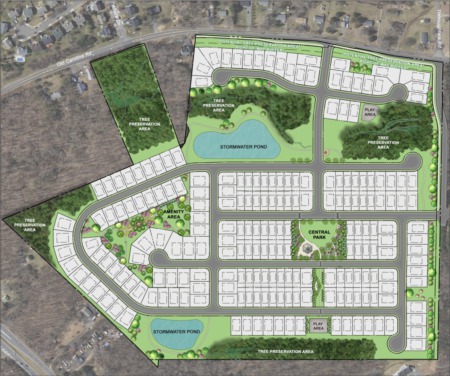
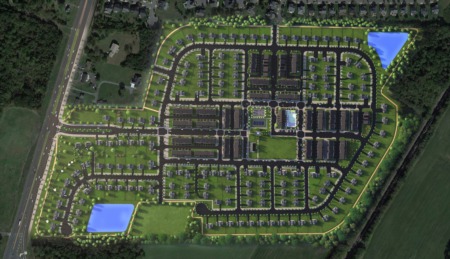
Thomas Farm at Bristow Station is a newly approved residential community planned for approximately 80 acres along Nokesville Road in Bristow, VA. Thoughtfully designed and fully entitled, this development is poised to help meet ongoing housing demand in Northern Virginia—while offering the kind of amenities today’s buyers are looking for.


Who’s Behind the Project?

The development is being led by Hines, a global real estate development firm, in partnership with JR Real Estate Group.

Rather than building the homes themselves, Hines is pre-selling lots to NVR, the parent company of Ryan Homes. NVR will be responsible for constructing and selling the homes once site development is complete.

This structure allows:

  • A professionally planned community

  • A nationally recognized builder

  • Streamlined development and construction phases


Project Timeline: What to Expect

While this community is still a bit out, the timeline is clear.

  • Q2 2026: Site work and infrastructure construction begins

  • Q2 2027: NVR begins building homes and launching sales

That means residents can expect to see early construction activity in spring to early summer 2026, with model homes and lot sales likely opening in mid-2027.


What’s Being Built?

Thomas Farm at Bristow Station will include approximately 320 total homes, made up of:

  • Single-family homes

  • Townhomes

The community will be located across well-situated parcels along 12127–12205 Nokesville Road, offering convenient access to surrounding Bristow, Gainesville, and Prince William County amenities.


Planned Community Amenities

This isn’t just about new houses—it’s about creating a livable, connected neighborhood.

Planned amenities include:

  • Clubhouse with pool

  • Playground

  • Dog park

  • Pickleball and basketball courts

  • Walking trails

  • Pavilion and open gathering spaces

These features are designed to support active lifestyles and create a true sense of community for future residents.


Why This Development Matters

Northern Virginia continues to face a shortage of housing—especially in well-located, amenity-rich areas like Bristow.

Thomas Farm at Bristow Station helps address that demand by:

  • Adding new housing options in a desirable location

  • Offering a mix of home types to serve different buyers

  • Pairing residential development with thoughtful amenities

For buyers who prefer new construction but don’t want to sacrifice location or community feel, this is one to watch.


Bottom Line

Thomas Farm at Bristow Station is shaping up to be a significant new addition to the Bristow housing market.

While homes won’t be available for purchase until 2027, understanding what’s coming—and when—can help buyers, sellers, and homeowners plan ahead. New construction impacts nearby home values, inventory levels, and buyer demand long before the first home is sold.


If you’d like updates on this development, other new construction projects in Bristow and Gainesville, or want to understand how upcoming communities could affect your home’s value, I’m always happy to help.

June 6, 2025

Grayson Overlook: Where History Meets Home in Gainesville, Virginia

Grayson Overlook: Where History Meets Home in Gainesville, Virginia

Growth in Northern Virginia often comes with big conversations—about housing, traffic, schools, and infrastructure. But every so often, a new development also carries deep historical significance.

Grayson Overlook is one of those projects.

In May 2025, the Prince William County Board of Supervisors approved the rezoning of approximately 80 acres in Gainesville—formerly known as The Settlement—clearing the way for 210 single-family homes by K. Hovnanian Homes. Located between Old Carolina Road, U.S. Route 29, and Carver Road, this land is transitioning from agricultural use to residential development.

But this story is about far more than new homes.


Why Grayson Overlook Matters

A Long-Awaited Turning Point for Descendant Families

The Settlement was founded after the Civil War by freed Black families. In 1920, families—including the grandparents of civil rights leader Clayton Powell—purchased the land with the hope of building generational wealth.

For decades, agricultural-only zoning prevented many descendants from selling or developing the property. Some families waited more than 20 years for zoning changes that would allow the land to be used differently.

This rezoning represents a rare opportunity for those families to finally unlock long-held value—while still honoring their history.


Honoring the Past While Building the Future

Although Prince William County planning staff determined the land does not qualify for the National Register of Historic Places, steps are being taken to acknowledge its legacy.

As part of the approved plan, the developer has committed to:

  • Installing three historic markers recognizing The Settlement

  • Creating community spaces including:

    • Playgrounds

    • Athletic courts

    • A pavilion with a firepit

    • A gazebo

    • A stormwater pond

These elements aim to ensure the story of the land is visible—not erased—as new families move in.


Infrastructure Improvements Planned

To support the increased residential density, the plan also includes key infrastructure upgrades:

  • Extension of Thoroughfare Road

  • Additional turn lanes at Old Carolina Road and U.S. 29

  • Traffic improvements designed to manage future congestion

These changes are intended to support both new residents and the surrounding Gainesville community.


Community Reactions: Support and Concerns

As with most large developments, feedback has been mixed.

Support

Many descendants of The Settlement expressed relief and gratitude that the land can finally be used to create generational wealth—something long delayed by restrictive zoning.

Concerns

Some residents and local officials raised concerns about:

  • Increased traffic on Old Carolina Road

  • Higher school enrollment

  • Potential impacts on school boundary planning

One supervisor voted against the rezoning, citing density concerns and questions about how school boundary decisions may be handled in the future.

These are important considerations, and they’ll continue to shape conversations as construction moves forward.


What This Means for Buyers, Sellers, and the Local Market

For Buyers

Grayson Overlook will offer:

  • New construction homes in a prime Gainesville location

  • Community-focused amenities

  • A neighborhood rooted in meaningful local history

For buyers who value connection, walkability, and a sense of place, this development will stand out.

For Sellers (Especially Descendant Families)

The rezoning creates a rare opportunity to:

  • Realize long-delayed land value

  • Participate in a development that honors family legacy

  • Convert inherited land into meaningful financial security

For Realtors and Investors

Developments that thoughtfully integrate historical recognition with modern planning often resonate more deeply with buyers. Grayson Overlook is a reminder that story, context, and community matter just as much as square footage.


What to Watch Next

As this project moves forward, a few key things will be worth monitoring:

  • Construction timelines for road improvements and homebuilding

  • School boundary discussions as enrollment projections are evaluated

  • Pricing strategy and how the historical elements are incorporated into marketing


Bottom Line

Grayson Overlook is more than a new neighborhood—it’s a reflection of how Prince William County continues to evolve.

By balancing growth, infrastructure, and historical acknowledgment, this development represents a meaningful chapter in Gainesville’s future—one that respects where the land has been, while making room for what comes next.


If you’d like updates on Grayson Overlook, new construction opportunities in Gainesville, or how this development could impact nearby home values, I’m always happy to help.

June 2, 2025

How to Find the Best Realtor to Sell Your Home in Prince William County, VA

How Do You Find the Best Realtor in Prince William County, VA?

If you’re thinking about selling your home in Prince William County, one of the most important decisions you’ll make is who you hire to represent you.

The right Realtor can mean:

  • A faster sale

  • Fewer headaches

  • Tens of thousands more in your pocket

The wrong one? A stressful process, poor communication, and money left on the table.

So how do you actually find the best Realtor for selling your home in Prince William County, VA? Let’s break it down.


Start with Agent Rankings—But Know What They Really Mean

Agent rankings can be helpful—but only if you know how to read them.

Here’s what actually matters:

Transaction Volume

Agents who consistently close homes understand pricing strategy, buyer behavior, and how to navigate challenges. Experience matters—especially in a shifting market.

Sales Volume

Total sales dollar volume shows whether an agent is trusted with higher-value homes and complex transactions, not just entry-level listings.

Client Satisfaction

The best rankings combine performance with client feedback. High sales numbers mean little if past clients felt ignored or unsupported.

Where to look:
Zillow, Realtor.com, Google Business profiles, and local real estate associations can all provide useful data—but no single source tells the whole story.


Reviews Matter—Read Between the Lines

Star ratings are easy to scan. The real insight is in the words.

When reading reviews, look for:

  • Consistency – Are communication, professionalism, and negotiation mentioned repeatedly?

  • Problem-solving – How does the agent handle inspections, appraisal issues, or buyer financing problems?

  • Personalized service – Do clients feel heard, informed, and supported?

No agent has a perfect record. What matters is how issues were handled—and whether clients would hire them again.


Look at the Results That Affect Your Bottom Line

Performance metrics tell you how an agent actually operates.

Days on Market (DOM)

A lower average DOM often signals strong pricing strategy and effective marketing.

List-to-Sale Price Ratio

This shows whether homes are selling close to (or above) asking price—an indicator of negotiation skill and market knowledge.

Marketing Strategy

Ask specific questions:

  • Professional photography?

  • Floor plans or 3D tours?

  • Online and social media exposure?

  • Open house strategy?

  • Targeted outreach to local buyers?

Marketing isn’t just about exposure—it’s about attracting the right buyers.

Local Market Expertise

Prince William County is not one market. Gainesville, Bristow, Manassas, Haymarket, and Dumfries all behave differently. A strong local agent understands micro-trends, not just county-wide averages.


Interview More Than One Agent

This step is often skipped—and it shouldn’t be.

When interviewing agents, ask:

  • How many homes have you sold in my area recently?

  • How will you price my home—and why?

  • What’s your communication plan?

  • What happens if my home doesn’t sell quickly?

  • How do you handle negotiations and concessions?

Pay attention not just to answers—but to how clearly and confidently they explain their strategy.


Trust the Data—But Also Trust Your Instincts

You’re not just hiring a salesperson. You’re hiring:

  • A negotiator

  • A project manager

  • A communicator

  • A problem solver

Choose someone who combines proven results with a communication style that fits you. You should feel informed, supported, and confident—not pressured.


FAQs

What should I ask a Realtor before signing a listing agreement?
Ask about pricing strategy, marketing, communication, negotiation approach, and cancellation terms.

How can I verify a Realtor’s license in Virginia?
You can verify licensing through the Virginia Department of Professional and Occupational Regulation (DPOR). Membership in the National Association of Realtors® is also a good sign of professionalism.

Does local market knowledge really matter?
Absolutely. Pricing, buyer demand, and competition vary widely even within Prince William County. Local expertise can directly impact your final sale price.


Bottom Line

Finding the best Realtor in Prince William County, VA isn’t about choosing the flashiest ad or the lowest commission. It’s about identifying the agent who combines experience, local knowledge, strong results, and clear communication.

When you do that, selling your home becomes less stressful—and far more profitable.


If you’d like a no-pressure conversation about what’s happening in your specific neighborhood and what strategy makes sense for your home, I’m always happy to talk.

Posted in Selling a Home
May 30, 2025

Why Multigenerational Living Is Growing in Northern Virginia (And How to Plan for It)

Why Multigenerational Living Is Growing in Northern Virginia

Picture this.

You walk in the door after work. Your dad is teaching your daughter how to make his famous pasta sauce in the kitchen. Your mom is watering plants on the patio. Upstairs, your brother is wrapping up a Zoom call from his home office.

A little busy? Sure.
But for millions of families across the U.S.—and increasingly here in Northern Virginia—this setup isn’t chaos. It’s intentional.

According to Berkshire Hathaway HomeServices, backed by Warren Buffett’s famously long-term view of markets, multigenerational living is poised to become one of the most important housing trends of the next decade.

And the data backs it up.


Why More Families Are Living Together in 2025

Multigenerational households—defined as homes with two or more adult generations living together—have been growing steadily for years.

  • In 2010, there were 5.1 million multigenerational households in the U.S.

  • By 2020, that number rose to 6 million

  • Today, more than 59 million Americans live in multigenerational homes—and the number continues to climb

So what’s driving the shift?

1. Housing Affordability Pressures

Younger adults today earn about $10,000 less than their parents did at the same age when adjusted for inflation—while home prices and mortgage rates have risen sharply. Sharing housing costs has become a practical solution.

2. Rising Elder Care Costs

Assisted living and in-home care are expensive, and many seniors prefer to age in place. Living with family allows for support without sacrificing independence.

3. Childcare Costs Are Sky-High

For families with young children, having grandparents under the same roof can save thousands of dollars annually—and add priceless family connection.

4. Remote Work Makes It Possible

With flexible work schedules, multiple adults can now live and work comfortably in the same home without daily commutes.

For many families, multigenerational living isn’t just about saving money—it’s about creating a built-in support system.


What to Look for in a Multigenerational Home

If you’re buying—or adapting—a home for more than one generation, certain features matter far more than trendy finishes.

Buyers are prioritizing:

  • Separate living areas (finished basements, in-law suites, ADUs)

  • Main-level bedrooms for aging parents or guests

  • Kitchenettes or secondary kitchens for independence

  • Multiple entrances for privacy and flexibility

  • Universal design features like wider doorways and walk-in showers

Even homes that weren’t originally designed this way can often be adapted. Basements, garages, bonus rooms, and even formal dining rooms are commonly repurposed to meet multigenerational needs.


Selling a Home? These Features Matter More Than Ever

If you’re thinking about selling, this trend matters.

Homes with flexible layouts and multigenerational potential often:

  • Appeal to a wider buyer pool

  • Sell faster

  • Command stronger offers

Even if your home isn’t currently set up for multigenerational living, staging and marketing can highlight its potential—which is often just as powerful.

Function is increasingly winning over flash.


A Smart Opportunity for Homeowners and Investors

Multigenerational housing isn’t just a lifestyle trend—it’s an investment opportunity.

Berkshire Hathaway has called it a “goldmine for remodelers,” and for good reason.

  • Homeowners can increase value by converting unused space

  • Investors can benefit from longer tenancies and higher demand

  • Accessible and flexible homes are becoming future-proof assets

In Northern Virginia, where inventory remains tight, homes that serve multiple purposes stand out.


What This Looks Like Locally in Northern Virginia

Builders are already responding.

In communities like Gainesville, newer homes are being designed with:

  • Main-level bedrooms that aren’t the primary suite

  • Flexible loft and bonus spaces

  • Floor plans that allow separation without isolation

For example, neighborhoods like Virginia Crossing offer layouts where grandparents can live comfortably on the main level, while parents and children occupy upper levels—maintaining privacy while staying connected.


Bottom Line

Multigenerational living isn’t a short-term trend. It’s a response to how families actually live today—balancing affordability, caregiving, work, and connection.

Whether you’re:

  • Buying a home that needs to fit multiple generations

  • Selling a property with flexible space

  • Planning ahead for aging in place

Understanding this shift can help you make smarter real estate decisions.

If you’d like to explore multigenerational housing options in Gainesville, Bristow, Manassas, Prince William County, or Fauquier County, I’m happy to help you think through what works best for your family—now and long-term.


Posted in Homeownership
May 16, 2025

Is Now a Smart Time to Buy in Northern Virginia? Barbara Corcoran Thinks So

Is Now a Smart Time to Buy in Northern Virginia? Barbara Corcoran Thinks So

Mortgage rates are still elevated. Home prices haven’t come down much. And the Fed isn’t exactly offering buyers relief.

If you’re feeling hesitant about buying a home right now, you’re not alone.

But according to Barbara Corcoran—real estate mogul and founder of The Corcoran Group—this kind of market is exactly when savvy buyers make their move.

In a recent interview with Realtor.com®, Corcoran explained that uncertainty causes most buyers to pause. And when buyers pause? Opportunity shows up.

“When things are uncertain, buyers hesitate before committing… That makes uncertain markets the best time to buy.”
— Barbara Corcoran

Here’s what that looks like in real life—and why it matters for buyers in Northern Virginia.


1. Buying Below Market Value Becomes Possible

In competitive markets, homes sell quickly and often above asking. But when uncertainty creeps in, the dynamic changes.

“Anything bought below market will prove a good investment.”
— Barbara Corcoran

Right now, buyers are seeing more chances to negotiate.

According to Realtor.com’s April 2025 Housing Report:

  • Inventory is up 30.6% year over year

  • Pending sales are down 3.2%

  • More listings are seeing price reductions or concessions

What that means for buyers:

  • More homes to choose from

  • Less pressure to waive protections

  • More leverage on price, repairs, or closing costs

In parts of Northern Virginia, we’re seeing homes sit longer than they did a year or two ago—especially those that are overpriced or need updates. That creates real opportunity for buyers who are prepared.

This isn’t about trying to “time the bottom.” It’s about recognizing when the market gives buyers room to negotiate.


2. Sellers Are Becoming More Flexible

In hot markets, sellers can afford to say no. Today? That’s starting to change.

“Sellers who turned me away four months ago are calling me back.”
— Barbara Corcoran

When listings sit longer than expected, sellers reassess. And that often leads to:

  • Closing cost assistance

  • Repair credits

  • Price adjustments

  • More realistic negotiations

For buyers, this means you don’t have to rush. You can ask questions, write thoughtful offers, and structure terms that fit your budget and timeline.

Corcoran’s advice is simple: when sellers are listening, speak up.


3. When the Market Feels “Spooky,” Opportunity Shows Up

Higher rates. Economic headlines. Political uncertainty.

That uneasy feeling? Corcoran says that’s often her signal to lean in—not back.

“When the market is uncertain, that’s a signal that I should be out there buying property.”

Many buyers get stuck waiting for the “perfect” moment—lower rates, lower prices, clearer headlines. But perfect moments are usually obvious only in hindsight.

If you plan to stay in a home long-term, short-term market noise matters far less than:

  • Whether the home fits your life

  • Whether the payment works comfortably

  • Whether the location supports your future plans

Corcoran is refreshingly honest about this:

“I’ve overpaid for almost every property I’ve bought. If I like it, I buy it—and I don’t regret it.”

Why? Because over time, equity growth tends to reward patience.


What This Means for Northern Virginia Buyers

Northern Virginia remains a high-demand market with limited long-term supply. That doesn’t mean every home is a good buy—but it does mean hesitation can be costly.

Right now, buyers who are prepared may benefit from:

  • Less competition

  • More negotiation power

  • Better terms than were possible just a year ago

Waiting for rates to drop or prices to fall significantly could mean missing the window that buyers like Corcoran capitalize on.


Bottom Line

Uncertainty doesn’t mean “don’t buy.”
It means look closer.

The best opportunities often show up when others are sitting still. If you’re buying with a long-term mindset and a clear budget, this market may offer more flexibility than you expect.


And sometimes, the smartest move isn’t waiting—it’s being ready.

May 9, 2025

Selling Your Home in Northern Virginia? These 3 Rooms Matter Most to Buyers

Selling Your Home in Northern Virginia? These 3 Rooms Matter Most to Buyers

When it comes to selling your home, not all rooms are created equal.

Buyers don’t remember every bedroom, hallway, or storage space—but there are three rooms that consistently shape how they feel about a home and how much they’re willing to pay for it.

According to the 2025 National Association of REALTORS® Profile of Home Staging, the living room, primary bedroom, and kitchen are the most influential spaces when buyers are deciding whether to make an offer—and how strong that offer will be.

Here’s how to make each one work in your favor.


Why These Rooms Matter So Much

The NAR data confirms what most experienced agents already know:

  • Living Room:

    • 91% of sellers’ agents stage it

    • 71% of buyers’ agents say it’s very or somewhat important

  • Primary Bedroom:

    • 83% of agents stage it

    • 71% of buyers’ agents say it impacts buyer decisions

  • Kitchen:

    • 51% of buyers’ agents say it directly influences perception

And expectations are high.

Nearly 48% of buyers expect homes to look like what they see on HGTV, and 58% report disappointment when listings fall short. That disconnect can absolutely affect both offers and time on market.

The payoff?
Staged homes typically sell for 1%–5% more than unstaged homes. On a $500,000 home, that can mean $5,000–$25,000 more—often from simple, strategic changes.


1. The Living Room: Your First Impression Room

In Northern Virginia homes, the living room sets the emotional tone almost immediately. Buyers decide within minutes whether a home “feels right.”

How to stage it effectively:

  • Declutter and depersonalize
    Remove personal photos, excess décor, and bulky furniture. Buyers need to imagine their life here.

  • Create a clear conversation layout
    Arrange furniture to define the space and make it feel inviting—not shoved against walls.

  • Keep colors neutral
    Soft grays, warm whites, and light neutrals appeal to the widest range of buyers.

  • Maximize natural light
    Clean windows, open blinds, and remove heavy drapes. Light sells space.


2. The Primary Bedroom: The Emotional Anchor

Buyers don’t just want a bedroom—they want a retreat. The primary bedroom should feel calm, spacious, and effortless.

Best practices:

  • Less furniture = more space
    Stick to the essentials: bed, nightstands, maybe one dresser.

  • Layer with texture, not clutter
    Crisp bedding, neutral throws, and a simple rug add warmth without overwhelming the room.

  • Choose calming colors
    Whites, soft grays, and muted blues help buyers emotionally connect.

  • Edit the closet
    A half-empty closet feels larger and more functional.


3. The Kitchen: The Deal-Maker

In Northern Virginia, kitchens are often the deciding factor—especially for move-in-ready buyers.

Simple staging tips that work:

  • Clear the countertops
    Remove small appliances and anything that crowds the space.

  • Add one intentional accent
    A bowl of fruit or a simple vase adds life without clutter.

  • Fix lighting issues
    Replace bulbs, brighten dark corners, and make sure everything works.

Buyers don’t need a full renovation—they need to see potential and cleanliness.


Your 3-Room Action Plan

If you’re preparing to list, start here:

  1. Take photos of each room
    Seeing them through a buyer’s lens changes everything.

  2. Declutter more than feels comfortable
    If you think it’s enough—remove 50% more.

  3. Deep clean
    Professional cleaning is often one of the best ROI moves sellers make.

  4. Style with intention
    Add back only what enhances space, light, and flow.

According to NAR:

  • 29% of sellers’ agents say staging increased offers

  • 49% say it reduced time on market

That translates to less stress, fewer price reductions, and more leverage.


Final Thoughts

You don’t need to stage every room in your house to sell well—but you do need to focus on the rooms that matter most.

By prioritizing the living room, primary bedroom, and kitchen, you’re aligning your home with buyer psychology and maximizing your return.

If you’d like help deciding what to stage, what to skip, or whether professional staging makes sense for your specific home, I’m happy to guide you through it.


Sometimes small changes make the biggest difference.

May 2, 2025

Top-Rated Listing Agents Near Me in Prince William & Manassas: 7 Questions to Ask Before You Sign

Top-Rated Listing Agents Near Me in Prince William & Manassas: 7 Questions to Ask Before You Sign

If you’re getting ready to sell your home in Prince William County or Manassas, choosing the right listing agent is one of the most important decisions you’ll make.

The right agent can help you price correctly, market strategically, negotiate confidently, and walk away with more money—and fewer regrets. The wrong one? That’s when sellers end up frustrated, confused, or wondering what went wrong.

Before you sign a listing agreement, here are seven smart questions to ask any agent you’re considering.


1. What Is Your Experience in Prince William & Manassas?

Real estate is local—hyperlocal, especially in Northern Virginia.

Ask:

  • How long have you worked in Prince William County or Manassas?

  • How many homes have you sold in my neighborhood or price range?

  • Do you specialize in sellers, buyers, or both?

An agent who understands local buyer behavior, pricing patterns, and neighborhood nuances will position your home far better than someone who “covers the whole DMV.”


2. How Will You Price My Home?

Pricing is part data, part strategy—and part experience.

Ask:

  • How do you determine list price?

  • What data do you use beyond recent sales?

  • How do you adjust pricing if the market shifts?

Be cautious of agents who simply promise the highest price. A strong listing agent will explain why a price makes sense—and how it fits current buyer demand.


3. What Is Your Marketing Strategy?

Putting a home on the MLS is just the starting point.

Ask:

  • Do you use professional photography, video, or 3D tours?

  • How will my home be promoted online and on social media?

  • Do you market beyond Zillow and Realtor.com?

In a market like Prince William and Manassas, exposure matters. The best agents create demand—not just listings.


4. How Do You Handle Offers and Negotiations?

This is where real money is made—or lost.

Ask:

  • How do you handle multiple-offer situations?

  • How do you negotiate inspections and appraisals?

  • Can you share examples of deals where you protected a seller’s bottom line?

Negotiation isn’t just about price. Terms, timing, contingencies, and concessions all matter—and experience shows here.


5. How Will We Communicate During the Sale?

Poor communication is one of the biggest seller complaints.

Ask:

  • How often will I hear from you?

  • Will updates be proactive or only when something happens?

  • How quickly do you respond to calls or texts?

You should never feel like you’re chasing your agent for answers—especially when your home (and money) is on the line.


6. What Support Do You Provide Beyond Listing the Home?

Selling involves far more than a sign in the yard.

Ask:

  • Do you help with staging or prep advice?

  • Will you coordinate inspections, appraisals, and HOA docs?

  • Who handles the details once we’re under contract?

A strong listing agent acts like a project manager—anticipating issues before they become problems.


7. Can You Provide References or Reviews?

Past performance matters.

Ask:

  • Can I speak with recent sellers?

  • Where can I read verified reviews?

  • What do past clients say about working with you?

Top-rated agents should be proud of their track record—and happy to share it.


Final Thoughts

Selling your home in Prince William or Manassas is a big decision, and the agent you choose plays a major role in the outcome.

By asking the right questions up front, you’ll avoid common pitfalls and choose a partner who aligns with your goals, communication style, and expectations.


If you’re interviewing agents and want a clear framework—or simply want a second opinion before signing—I’m always happy to help.

Posted in Selling a Home
April 29, 2025

Thinking About Buying a Home in 2025? Here’s How Smart Buyers Are Approaching the Market

Buying a Home in 2025: How Smart Buyers Are Navigating an Uncertain Market

A shrinking economy.
Rising mortgage rates.
Flatlining home prices.

If you’ve been thinking about buying a home in 2025, it’s understandable if you’re feeling hesitant. For many buyers, the instinct right now is to wait—to see what happens before making a major move.

And the headlines don’t help.

The U.S. Bureau of Economic Analysis recently reported a 0.3% drop in GDP in Q1 2025, following a strong 2.4% gain in Q4 2024. Data points like that naturally make buyers pause.

But here’s the thing: smart buyers aren’t freezing. They’re asking better questions, looking beyond the headlines, and building a plan.


A Simple 3-Step Plan for Buyers in 2025

If you’re on the fence about buying, here’s a clear, no-pressure way to think through your next move.


Step 1: Get Clear on What’s Actually Worrying You

Many buyers are saying the same thing right now:

“I just want to wait and see what happens with the economy. I don’t want to make a mistake.”

That makes sense. Buying a home is a big decision, and economic uncertainty naturally creates hesitation.

But instead of freezing, it helps to ask a more specific question:

What exactly is making me nervous?

Is it:

  • Mortgage rates?

  • Home prices?

  • Job security?

  • Timing?

Once you identify the real concern, you can evaluate your options using facts—not fear.


Step 2: Understand What the Market Is Actually Doing

A common assumption right now is that prices are about to crash or rates are about to drop dramatically.

That’s not what the data shows.

According to Realtor.com’s April 2025 Housing Market Report, several trends are working in buyers’ favor:

  • Inventory is up 30.6% year-over-year, giving buyers more choices and less competition

  • 18% of listings had price reductions, the highest share for any April since at least 2016

  • Homes are taking longer to sell, with a median of 50 days on market, four days longer than last year

  • The national median list price is holding steady at $431,250, with price-per-square-foot up just 1.1%

In short, prices aren’t collapsing—but growth is slowing.

And historically, this matters. In four of the last six U.S. recessions, home prices actually increased. Today’s market looks far more like a period of normalization than a repeat of 2008.

This creates opportunity for buyers who are patient, informed, and strategic.


Step 3: Build a Plan That Matches Your Timeline

Whether you buy now or later, planning is what gives you confidence.

If you’re considering a purchase within the next 18 months, you typically have two solid options:

Option 1: Create a 6–12 Month Preparation Plan
Rent, save, improve your credit, and monitor the market closely so you’re ready when the right opportunity appears.

Option 2: Explore the Market Now
With less competition and more price flexibility, some buyers are finding opportunities today that wouldn’t have existed a year or two ago.

Neither option is wrong. The key is choosing intentionally instead of reacting emotionally.


Final Thoughts

Uncertainty makes it easy to sit on the sidelines. But historically, the smartest real estate decisions are often made when buyers stay grounded in data, focused on long-term goals, and open to possibility.

Buying a home in 2025 doesn’t require blind optimism—or fear-based waiting.

It requires clarity, strategy, and a plan.


If you’re unsure which path makes the most sense for you, that’s a conversation worth having.

April 18, 2025

First-Time Homebuyer in Your 30s or 40s? You’re Not Behind—You’re Right on Time

First-Time Homebuyer in Your 30s or 40s? You’re Right on Time

Buying your first home doesn’t look anything like it did 30 years ago.

The average first-time buyer in 2024 is 38 years old—up from 33 in 2020 and just 31 between 1993 and 2018.

So if you’re renting in your 30s or 40s, it’s easy to wonder: Did I miss my window?

The short answer: not at all.

In fact, you’re right on time—and there are solid financial and personal reasons for that.


Why Are Buyers Waiting Longer?

Research from John Burns Research & Consulting shows that Americans are reaching major life milestones later across the board:

  • The average age of first-time mothers is now 30, up from the early 20s a few decades ago

  • Only 33% of today’s 30-year-olds own a home, compared to 47% in 1984

  • Just 48% of 30-year-olds are married, down from 78% in 1984

  • 72% of renters are now over age 30, the highest share ever recorded

This isn’t a fluke. Each generation since the Baby Boomers has reached these milestones later than the one before.

More people are prioritizing education, careers, flexibility, and savings before committing to homeownership—and in today’s economic environment, that’s often the smarter move.


The Cost of Buying a Home Has Changed

Let’s address the elephant in the room: buying a home today is significantly more expensive than renting.

According to Redfin:

  • Buyers now need an average income of $116,633 to afford the median-priced home

  • Renters need about $64,160 to afford the typical apartment

That’s an 82% income gap—and it has widened quickly:

  • 2021: 17% gap

  • 2023: 54% gap

  • 2025: Over 80%

Rising home prices, mortgage rates above 6.5%, and tight inventory in many markets have changed the equation.

So if you’ve been renting while building stability, savings, and flexibility, you’re not falling behind—you’re adapting to a very different market.


Why Buying Later Can Actually Work in Your Favor

Buying later in life often puts buyers in a stronger position.

Stronger Finances
More time typically means higher income, better credit, and more savings. That financial maturity helps first-time buyers handle not just the purchase—but the ongoing costs of ownership.

Clearer Priorities
By your late 30s or 40s, you’ve lived enough life to know what you actually want. Location, layout, lifestyle, and long-term needs tend to be clearer—leading to fewer impulsive decisions and less buyer’s remorse.

Market Momentum Is Shifting
Builders and sellers are adjusting to today’s buyer profile. That means more options for smaller homes, lower-maintenance living, and communities designed for later-life milestones—not just starter homes for twenty-somethings.


Renting Is Part of the Journey

The idea that renting in your 30s or 40s means you’ve “fallen behind” simply doesn’t hold up anymore.

In today’s market, renting often means you’re waiting until your finances, lifestyle, and long-term plans align—and that patience can pay off.

If you’re feeling behind, here’s the truth: your timing is right for you.

And when you’re ready to buy, you’ll bring experience, clarity, and confidence into the process—qualities that matter far more than age.


Bottom Line

Homeownership isn’t a race. It’s a personal decision shaped by timing, finances, and life goals.

Buying later doesn’t mean you missed your chance—it often means you’re making a more informed, intentional choice.

And when the time is right, you’ll be ready.


Posted in Buying a Home