Area Real Estate News & Market Trends

You’ll find our blog to be a wealth of information, covering everything from local market statistics and home values to community happenings. That’s because we care about the community and want to help you find your place in it. Please reach out if you have any questions at all. We’d love to talk with you!

Jan. 17, 2025

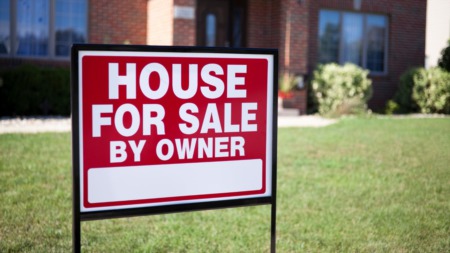
Can You Sell Your Home Without a Realtor® in Northern Virginia?

Can You Sell Your Home Without a Realtor® in Northern Virginia?

If you’re thinking about selling your home in Gainesville, Bristow, or anywhere in Northern Virginia, you may be wondering whether you really need to hire a Realtor®. It’s a fair question—and for some sellers, selling on their own can be the right choice.

Like most things in real estate, though, the answer depends on your goals, your experience, and how comfortable you are managing the process.

Here’s a realistic look at what’s involved in selling a home without a Realtor®—commonly called For Sale By Owner (FSBO)—and what to consider before deciding.


✅ The Potential Benefits of Selling Without a Realtor®

1. Saving on Listing Commission

The most common reason sellers choose FSBO is to reduce commission costs. In Northern Virginia, listing agent fees often range from 1.5%–3%, which can feel significant depending on your home’s price point.

2. You Know Your Home Best

Some homeowners feel confident handling showings themselves and explaining the home’s features, upgrades, and neighborhood benefits directly to buyers.

3. Full Control Over the Process

With FSBO, you control the schedule, negotiations, pricing decisions, and communication—without outside input.


⚠️ Challenges FSBO Sellers Should Be Prepared For

1. Pricing Is Harder Than It Looks

Correct pricing is one of the biggest hurdles. Price too high, and buyers may skip your home entirely. Price too low, and you risk leaving money on the table.

Without access to detailed local data, buyer behavior trends, and real-time feedback, hitting the right price point can be tricky.


2. Marketing Takes Time—and Skill

Effective marketing involves far more than posting on Zillow. Successful listings typically include:

  • Professional photography

  • Compelling listing descriptions

  • Online and social media exposure

  • Open houses and private showings

  • Sometimes targeted print or neighborhood marketing

Creating that exposure takes time, consistency, and know-how.


3. Showings and Communication

You’ll be responsible for:

  • Scheduling and hosting showings

  • Responding to inquiries

  • Following up with interested buyers

  • Screening serious prospects

This can be especially challenging if you’re working full time or juggling a move.


4. Contracts, Disclosures, and Legal Risk

Virginia real estate transactions come with specific disclosure requirements, contract timelines, and negotiation steps. Mistakes can delay your sale—or create legal liability later.

FSBO sellers are responsible for understanding:

  • Purchase contracts

  • Inspection negotiations

  • Appraisal issues

  • Settlement statements and deadlines


5. Buyer Agents Still Expect Compensation

Even if you don’t hire a listing agent, most buyers are represented. To attract the widest pool of buyers, FSBO sellers typically still offer a buyer’s agent commission (often 2.5%–3%).

This surprises many FSBO sellers and should be factored into your decision.


🧠 Questions to Ask Yourself Before Going FSBO

  • Are you comfortable negotiating contracts and inspections on your own?

  • Do you have the time to manage marketing, showings, and follow-up?

  • Can you stay objective when receiving feedback or low offers?

  • Do you know what homes in your neighborhood are actually selling for?

If you answered “yes” to most of these, FSBO may be a reasonable option. If not, it’s worth at least exploring professional guidance before deciding.


Final Thoughts

Selling your home without a Realtor® is possible—but it isn’t always simple. What works well for one seller may be stressful or costly for another.

The most important thing is being informed, prepared, and realistic about what the process involves.

If you’re weighing your options and would like an honest, no-pressure conversation about what makes the most sense for your situation, I’m always happy to talk. Even if you decide to sell on your own, I want you to succeed.

Karyl Allen, Realtor®
Serving Gainesville, Bristow, Manassas & beyond
📧 karyl.allen@gmail.com | 📞 703-297-1278


Posted in Selling a Home
Jan. 5, 2025

The Housing Dilemma for Baby Boomers in Northern Virginia

The Housing Dilemma for Baby Boomers in Northern Virginia

As Baby Boomers enjoy the benefits of rising home equity, many are facing a new and unexpected challenge: finding housing that truly supports aging in place.

In Northern Virginia—where home values are strong, inventory is limited, and affordability remains a concern—this issue is especially pronounced.


Why So Many Baby Boomers Are Staying Put

A large percentage of Baby Boomers plan to remain in their current homes throughout retirement. Locally, this is easy to see. Many empty nesters continue living in larger, multi-level homes—not because they haven’t considered downsizing, but because the alternatives often don’t feel realistic.

Common reasons include:

  • Emotional attachment to longtime homes and neighborhoods

  • Limited availability of suitable downsizing options

  • High costs associated with moving or buying again

  • Rising interest rates impacting affordability

For many homeowners, their house holds decades of memories—and walking away from that isn’t an easy decision.


Equity-Rich, Cash-Poor: A Common Reality

In Northern Virginia, many older homeowners are equity rich but cash poor. While their homes may be worth significantly more than when they purchased them, that equity doesn’t always translate into easy mobility.

Downsizing can be challenging when:

  • Replacement homes are expensive

  • Monthly costs may not decrease meaningfully

  • Interest rates make new purchases less attractive

At the same time, modifying an existing home to accommodate aging—such as adding stair lifts, widening doorways, or creating main-level living—can be costly and disruptive.


The Shortage of Accessible Housing

One of the biggest challenges facing aging homeowners is the lack of accessible housing options.

Truly age-friendly homes—those with:

  • Main-level living

  • Minimal stairs

  • Wider doorways

  • Walk-in showers

…are still a small portion of the overall housing supply.

Active adult and 55+ communities do offer solutions for some, but availability is limited, pricing can be high, and these communities aren’t the right fit for everyone.


How This Impacts the Broader Market

When Baby Boomers stay in place longer, it affects more than just their generation.

Larger homes remain occupied, which:

  • Reduces inventory for younger families

  • Keeps pressure on home prices

  • Contributes to longer rental cycles for younger buyers

This ripple effect is felt throughout Northern Virginia, where housing supply is already tight.


What Needs to Change

Housing experts agree that meaningful solutions will require:

  • More flexible zoning

  • Increased development of accessible housing

  • Expanded options for affordable senior living

  • Creative downsizing alternatives

Until then, many homeowners are left trying to make the best decision within a limited set of choices.


What This Means for Baby Boomers Today

For homeowners approaching retirement, the key is planning early.

That might mean:

  • Evaluating whether your current home can realistically support aging in place

  • Exploring active adult or downsizing options before urgency sets in

  • Understanding how your equity could be used strategically

  • Getting guidance from a professional who understands senior housing needs

There is no one-size-fits-all solution—but having clarity about your options makes all the difference.


Bottom Line

The housing challenges facing Baby Boomers in Northern Virginia are real—and they impact the entire market. Aging in place works beautifully for some homeowners, but it isn’t always simple or affordable.

With thoughtful planning, honest conversations, and the right guidance, it is possible to find solutions that balance comfort, independence, and long-term security.


If you’re beginning to think about your next chapter—or helping a parent navigate theirs—understanding your options now can make the road ahead much smoother.

Dec. 15, 2024

Homeowner “Don’ts”: Common Mistakes to Avoid in Northern Virginia

Homeowner “Don’ts”: Common Mistakes to Avoid in Northern Virginia

When a new year rolls around, most resolutions focus on what we should do—save more, tackle projects, finally organize the garage. But for homeowners, avoiding certain mistakes can be just as important as setting new goals.

Whether you’re a brand-new homeowner or have owned for years, keeping these homeowner “don’ts” in mind can save you time, money, and stress—especially in Northern Virginia, where home values reward good maintenance and thoughtful care.


1. Don’t Skip Regular Maintenance

Your home is likely your largest investment, and small issues rarely stay small when ignored.

A clogged gutter, loose shingle, or neglected HVAC filter can quickly turn into water damage, system failure, or costly repairs.

Maintenance tasks you shouldn’t ignore:

  • Cleaning and inspecting gutters

  • Replacing HVAC filters every 1–3 months

  • Checking caulking and seals around doors and windows

Routine maintenance protects your home’s value and makes life easier—especially if selling is on the horizon.


2. Don’t Ignore Energy Efficiency

Energy efficiency isn’t just about utility bills—it’s about comfort, sustainability, and future resale appeal.

Drafts, outdated appliances, and inefficient systems quietly cost homeowners hundreds (sometimes thousands) over time.

Simple improvements that make a difference:

  • Seal drafts with caulk or weatherstripping

  • Switch to LED lighting

  • Install a programmable or smart thermostat

  • Upgrade appliances when it makes sense

In Northern Virginia, energy efficiency has become increasingly attractive to buyers—and it’s a win while you’re living there, too.


3. Don’t Over-Personalize If You May Sell

Your home should reflect you—but if selling is even a possibility in the next few years, permanent personalization can work against you.

Bold design choices, highly customized features, or unusual renovations can limit buyer appeal.

A better approach:

  • Keep permanent finishes neutral

  • Express personality through décor, art, and furnishings

  • Choose updates that are easy to reverse

This gives you enjoyment now without creating obstacles later.


4. Don’t Neglect Curb Appeal

First impressions matter more than many homeowners realize. Exterior condition often sets expectations for the entire home.

Small curb appeal updates go a long way:

  • Keep walkways clean and well-lit

  • Maintain landscaping and trim

  • Refresh mulch or plantings seasonally

  • Paint or update the front door and house numbers

A well-kept exterior signals pride of ownership—and that matters to both guests and buyers.


5. Don’t Put Off Small Repairs

Minor issues create big impressions. Buyers (and inspectors) notice things like:

  • Leaky faucets

  • Cracked tiles

  • Loose cabinet hardware

  • Squeaky doors

  • Paint touch-ups

Left unaddressed, these details can create the perception that a home hasn’t been well cared for.

Pro tip: Schedule a monthly “home care day” to knock out small repairs before they pile up.


6. Don’t Wait Until Spring to Plan Projects

Many homeowners delay planning renovations until warmer weather—but that often means higher costs and longer wait times.

Planning early allows you to:

  • Lock in contractors before peak season

  • Compare materials and pricing

  • Avoid rushed decisions

Whether it’s a bathroom refresh, kitchen update, or outdoor project, early planning gives you more control and less stress.


A Smarter Approach to Homeownership

Being a good homeowner isn’t about perfection—it’s about intentional care. Avoiding these common missteps helps protect your home’s value, improves daily comfort, and keeps future options open.

In Northern Virginia’s market, well-maintained homes consistently perform better—whether you’re living in them for years or preparing for a future sale.


Bottom Line

Sometimes the smartest resolutions aren’t about what to add—they’re about what to avoid. Steering clear of these homeowner “don’ts” can make homeownership smoother, more affordable, and far less stressful.


And that’s a goal worth keeping all year long.

Posted in Selling a Home
Nov. 12, 2024

Why Buyers and Sellers Often Disagree on Price in Northern Virginia

Why Buyers and Sellers Often Disagree on Price in Northern Virginia

If you’re planning to buy or sell a home, there’s one reality that comes up again and again: buyers and sellers don’t always see price the same way.

Sellers often focus on what they believe their home should sell for. Buyers focus on what they can comfortably afford. When those two perspectives don’t align, negotiations stall—or deals fall apart.

Understanding why this gap exists is the first step to navigating it successfully.


What’s Behind the Pricing Disconnect?

1. Sellers Are Anchored to Past Market Highs

After several years of strong appreciation, many homeowners still have peak-market pricing in mind. Homes did sell quickly—and often above asking price—for a long stretch of time.

But as markets stabilize, buyer behavior shifts. Today’s buyers are more payment-focused and less willing to stretch beyond perceived value. That doesn’t mean homes aren’t selling—it means pricing strategy matters more than confidence alone.


2. Buyers Are Budget-Driven, Not Price-Driven

Most buyers aren’t starting with a purchase price—they’re starting with a monthly payment.

Mortgage rates, taxes, insurance, and HOA fees all factor into affordability. Even modest differences in price can have an outsized impact on monthly cost, which makes buyers cautious and deliberate.

In Northern Virginia, this is especially true at common price points where competition used to be intense.


3. Market Momentum Has Shifted

In rapidly rising markets, pricing expectations tend to converge naturally—buyers chase, sellers lead. In more balanced or stabilizing markets, the opposite happens: expectations diverge.

Prices may still rise, but at a slower pace. That environment rewards realistic pricing and thoughtful negotiation rather than aggressive starting points.


How Buyers Can Navigate the Gap

If you’re buying in Northern Virginia, a pricing gap doesn’t mean you’re stuck—it means strategy matters.

Understand Local Value
Neighborhood-level data matters far more than national averages. Knowing what homes are actually selling for—not just what they’re listed at—helps you make confident offers.

Be Flexible Where It Counts
Price isn’t the only negotiation tool. Closing timelines, contingencies, and concessions can help bridge gaps without stretching your budget.

Stay Grounded in Your Comfort Zone
The right home shouldn’t create long-term financial stress. Walking away from an overpriced home is often the smarter move.


How Sellers Can Attract Stronger Offers

For sellers, bridging the gap starts with positioning.

Price Strategically, Not Emotionally
The goal isn’t to test the market—it’s to meet it. Homes priced in line with current buyer expectations tend to attract more activity and stronger offers.

Presentation Still Matters
Condition, staging, and professional marketing help justify price and reduce buyer hesitation.

Leave Room for Negotiation
Flexibility doesn’t mean giving your home away—it means understanding how deals come together in today’s market.


What This Means for the Northern Virginia Market

When buyers are cautious and sellers are confident, the market doesn’t stall—it recalibrates.

Successful transactions happen when:

  • Buyers stay realistic about affordability

  • Sellers stay grounded in current market conditions

  • Both sides focus on value, not just price

That’s where experienced local guidance becomes critical.


Bottom Line

Pricing gaps are normal—especially in shifting markets. The key isn’t eliminating the gap; it’s understanding it.


In Northern Virginia, homes are still selling—but the ones that sell best are priced with today’s buyers in mind. When expectations align with reality, negotiations become smoother, timelines shorten, and outcomes improve for everyone.

Posted in Market Updates
Oct. 27, 2024

What Homeownership Really Means—Beyond the Numbers

What Homeownership Really Means—Beyond the Numbers

When we talk about housing, the conversation often centers on numbers—prices, interest rates, affordability, and return on investment. Those details matter, of course. But every once in a while, a different perspective cuts through the data and reminds us why homeownership matters on a more personal level.

At its core, owning a home isn’t just a financial decision. It’s a lifestyle choice.


Beyond the Financial Math

From a purely analytical standpoint, renting can sometimes look cheaper on paper. When you compare monthly costs, maintenance, and flexibility, the math doesn’t always favor ownership in the short term.

But ownership offers something numbers can’t fully capture: control, customization, and vision.

Owning a home gives you the freedom to shape your space in ways that reflect who you are and how you want to live—without asking permission or worrying about what’s temporary.


The Freedom to Create Something That’s Yours

Homeownership allows you to:

  • Personalize your space

  • Invest emotionally, not just financially

  • Create routines, traditions, and memories

  • Build something that evolves with your life

For some people, that might mean a garden or outdoor space. For others, it’s a home office, a place to host family, or simply the comfort of knowing they can stay as long as they choose.

That sense of optionality—the ability to shape your environment—is something renting often can’t provide.


Redefining the American Dream

The idea of the “American Dream” has evolved. It’s no longer one fixed image of a single-family home with a white picket fence.

Today, the dream looks different for everyone:

  • A condo close to work

  • A townhome with less maintenance

  • A single-family home with room to grow

  • Or even renting, if flexibility is the priority

What defines the dream isn’t the structure—it’s choice.

And for many people, homeownership represents the ultimate expression of that choice.


What Homeownership Means Is Personal

For some, owning a home means:

  • Stability

  • A long-term financial foundation

  • A place to raise a family

For others, it means:

  • Creative freedom

  • Personal expression

  • A sense of permanence

There’s no single “right” reason to buy a home. The value comes from aligning the decision with your goals, lifestyle, and vision.


A Thoughtful Takeaway for Buyers

When considering homeownership, it’s worth asking yourself:

  • What do I want my space to allow me to do?

  • How do I want my home to support my life—not just my finances?

  • What does “home” really mean to me?

Crunching the numbers matters—but so does understanding the emotional and lifestyle side of the decision.


Bottom Line

Homeownership isn’t just about appreciation, equity, or monthly payments. It’s about having a place where your life can unfold on your terms.

That’s why helping people buy homes has never just been about transactions—it’s about helping them create a space where their vision can live, grow, and change over time.


And that’s something no spreadsheet can fully explain.

Posted in Buying a Home
Oct. 1, 2024

Buying a Home in Northern Virginia: How to Make Smart Compromises Without Regret

Buying a Home in Northern Virginia: How to Make Smart Compromises Without Regret

For the first time in several years, housing affordability has shown modest improvement. While that’s welcome news for buyers, affordability is still a challenge—especially in Northern Virginia, where demand remains strong and prices vary widely by location and home type.

As a result, many buyers are discovering that compromise is part of the process. But compromise doesn’t mean giving up on homeownership—or settling for something that doesn’t work long-term. The key is knowing where to be flexible and where to hold firm.


Why Compromise Has Become Part of Today’s Market

Even with improving affordability, many buyers are still balancing:

  • Monthly payment comfort

  • Desired location

  • Home size and features

  • Long-term lifestyle needs

Rather than stretching beyond a comfortable budget, buyers are making thoughtful adjustments to stay financially secure while still moving forward.


Property Type: Rethinking What “Home” Looks Like

In Northern Virginia, single-family homes are often the most competitive and expensive option. Because of that, many buyers are expanding their search to include townhomes and condominiums.

These options can offer:

  • Lower purchase prices

  • Reduced maintenance responsibilities

  • Access to amenities

  • Locations closer to work, transit, or town centers

While condos and townhomes may come with HOA fees and less outdoor space, they often provide a practical path to homeownership—especially for first-time buyers or those downsizing.


Location Flexibility Can Unlock Opportunity

Location is one of the hardest things to compromise on—but even small adjustments can make a big difference.

Some buyers are:

  • Expanding their search radius

  • Exploring neighboring communities

  • Prioritizing commute balance over exact neighborhood

In Northern Virginia, moving just a few miles can open up entirely different price points while still maintaining access to schools, shopping, and major routes.


How to Make Smart Compromises (Without Future Regret)

1. Focus on What Can’t Be Changed

Cosmetic features—paint colors, flooring, fixtures—are relatively easy to update over time. Structural elements and location are not.

Prioritize:

  • Layout and flow

  • Structural condition

  • Neighborhood and long-term livability

You can change a kitchen backsplash. You can’t move a house.


2. Think Beyond Today

A home should support not just your current needs, but your near future as well.

Ask yourself:

  • Will this home still work in 5–10 years?

  • Is there flexibility if life changes?

  • Would I feel comfortable staying longer than planned if needed?

A well-chosen compromise today can still be a strong long-term decision.


3. Protect Your Monthly Budget

Stretching financially often leads to regret. Instead of focusing on purchase price alone, build your decisions around a comfortable monthly payment.

Be sure to factor in:

  • Mortgage principal and interest

  • Property taxes

  • Insurance

  • HOA fees

  • Maintenance and utilities

Staying within budget gives you room to enjoy your home—rather than stress over it.


Compromise Doesn’t Mean Settling

The most successful buyers aren’t those who avoid compromise altogether—they’re the ones who compromise strategically.

By staying flexible on the right things and firm on what truly matters, buyers in Northern Virginia are still finding homes they love, without sacrificing financial stability or long-term happiness.


Bottom Line

Affordability challenges may require adjustments, but homeownership in Northern Virginia is still achievable with the right mindset and strategy. Smart compromises—guided by local knowledge and clear priorities—can lead to confident, satisfying decisions.


The goal isn’t perfection. It’s finding the right balance between what you want, what you need, and what supports your future.

Posted in Buying a Home
Sept. 19, 2024

What Federal Reserve Rate Cuts Mean for Northern Virginia Home Buyers and Sellers

What Federal Reserve Rate Cuts Mean for Northern Virginia Home Buyers and Sellers

You’ve probably seen the headlines about the Federal Reserve cutting interest rates—and if you’re thinking about buying or selling a home, you may be wondering what that actually means for you.

Do rate cuts lower mortgage rates?
Will they change home prices?
Is now a better time to make a move?

The answer is a little more nuanced than the headlines suggest.


How the Federal Reserve Influences Mortgage Rates (Indirectly)

The Federal Reserve does not set mortgage rates. Instead, it controls short-term interest rates that affect the broader financial system.

Mortgage rates are influenced by:

  • Inflation expectations

  • Economic outlook

  • Bond market activity

  • Investor demand

When the Fed signals a shift toward lower rates, financial markets often react in advance. That’s why mortgage rates can move before or independently of an official Fed announcement.

In other words, the impact is usually gradual—not immediate.


What Lower Mortgage Rates Mean for Buyers

When mortgage rates ease, buyers typically gain more purchasing power.

That can show up in two ways:

  • The ability to afford a slightly higher-priced home at the same monthly payment

  • Lower monthly payments on the same purchase price

For many Northern Virginia buyers, monthly affordability matters far more than list price. Even modest rate improvements can create meaningful flexibility in budgeting.

However, lower rates also tend to bring more buyers back into the market, which can increase competition—especially in areas with limited inventory.


What This Means for Sellers

For sellers, rate cuts often increase buyer confidence. When buyers feel more comfortable with payments, activity tends to pick up.

That can lead to:

  • Increased showings

  • Stronger offers

  • Less resistance to well-priced homes

That said, pricing and preparation still matter. Rate shifts don’t override local market dynamics or buyer expectations.


Will Mortgage Rates Keep Falling?

Mortgage rates don’t move in straight lines. Markets often price in expectations well before policy changes occur, which is why rates may fluctuate even after major announcements.

Most economists expect gradual movement, not dramatic drops. That means:

  • Waiting for a specific “perfect” rate can be risky

  • Focusing on long-term affordability is usually more productive

For buyers, the strategy often isn’t about timing the lowest rate—it’s about finding a payment that fits comfortably and leaves room for future flexibility.


Why Local Market Conditions Still Matter Most

In Northern Virginia, housing outcomes are driven far more by:

  • Local inventory levels

  • Buyer demand by price point

  • Commute patterns and school districts

Interest rates are just one piece of the puzzle.

That’s why understanding how rate changes interact with your specific local market is more valuable than following national headlines alone.


Bottom Line

Federal Reserve rate cuts influence the housing market—but they don’t dictate it. Mortgage rates respond gradually, buyers and sellers adjust behavior over time, and local conditions continue to lead the way.


For Northern Virginia buyers and sellers, the most successful decisions come from focusing on affordability, goals, and neighborhood-level trends—not reacting to short-term financial news.

Posted in Selling a Home
Sept. 2, 2024

Why Fall Can Be a Smart Time to Buy a Home in Northern Virginia

Why Fall Can Be a Smart Time to Buy a Home in Northern Virginia

For years, buyers were told that spring was the only time to buy a home. More listings, more choices, more activity. And while spring is still a busy season, the past several years have reshaped buyer behavior—and created new opportunities outside the traditional calendar.

In Northern Virginia, fall has increasingly become a strategic time for buyers who want options, leverage, and a little breathing room.


More Inventory Than You Might Expect

While spring brings the largest wave of new listings, fall often brings something just as valuable: leftover inventory.

Homes that didn’t sell earlier in the year often remain on the market into fall. At the same time, some sellers list later due to life changes, relocations, or timing needs. The result is a solid selection of homes—often with fewer buyers competing for them.

For buyers, that can mean:

  • More time to evaluate options

  • Less urgency to waive protections

  • Better decision-making overall


Less Competition Creates Negotiation Opportunities

Buyer competition typically cools off after summer. Families with school schedules, holiday planning, and year-end responsibilities often pause their searches.

That seasonal slowdown can work in a buyer’s favor. With fewer competing offers, buyers may find:

  • More room to negotiate price

  • Greater willingness from sellers to offer concessions

  • Flexibility on timelines, repairs, or closing costs

In Northern Virginia, where spring bidding wars became the norm for years, this shift can feel refreshing.


Sellers Are Often More Motivated

Fall sellers tend to be serious sellers. Many want to close before the end of the year, avoid carrying a listing through the holidays, or move on to their next chapter.

Motivated sellers are more likely to:

  • Adjust pricing if needed

  • Consider reasonable offers

  • Work collaboratively toward a deal

That motivation can translate into better outcomes for buyers who are prepared and informed.


Mortgage Rates and Monthly Payment Strategy

Mortgage rates fluctuate year-round, and fall often brings periods of adjustment as markets react to broader economic signals.

Rather than trying to time the “perfect” rate, fall buyers often benefit by focusing on:

  • Monthly payment comfort

  • Negotiated concessions that reduce upfront costs

  • The ability to refinance later if rates improve

In a lower-competition environment, sellers may be more open to creative solutions that help affordability.


Why Fall Buying Works Well in Northern Virginia

Northern Virginia is a highly localized market. Demand, pricing, and competition vary by neighborhood, price point, and home type.

Fall buying can be especially effective for:

  • Buyers who want more thoughtful decision-making

  • Those hoping to avoid peak-season pressure

  • Anyone prioritizing negotiation leverage over urgency

The key is understanding what’s happening locally, not relying on national headlines.


Should You Wait Until Spring?

Waiting can make sense in some situations—but it often means:

  • More competition

  • Fewer concessions

  • Faster decision timelines

For many buyers, fall offers a rare balance of choice and leverage that isn’t always available in peak seasons.


Bottom Line

Spring may get the most attention, but fall can quietly be one of the best times to buy a home in Northern Virginia. With fewer buyers competing, motivated sellers, and more room to negotiate, the season often rewards prepared buyers who are ready to act thoughtfully.


As always, the best time to buy is when your finances, goals, and local market conditions align—not just when the calendar says it’s popular.

Posted in Buying a Home
Aug. 16, 2024

Why Selling a Home in Northern Virginia Feels Like a Second Job — and How to Reclaim Your Time

Why Selling a Home in Northern Virginia Feels Like a Second Job — and How to Reclaim Your Time

For many homeowners, selling a home feels far less like a single transaction and far more like taking on a second job. One that demands not only money, but your most limited resource: time.

Between preparing the house, coordinating repairs, juggling showings, and managing deadlines, it’s easy for the process to take over daily life—especially in a fast-moving market like Northern Virginia.

If you’re wondering how to sell your home without sacrificing your personal time (or your sanity), you’re not alone.


The Hidden “Time Cost” of Selling a Home

Most sellers expect some inconvenience, but many underestimate just how disruptive the process can be. Selling a home often requires:

  • Constant cleaning and prep

  • Schedule disruptions for showings

  • Contractor coordination

  • Paperwork and deadlines

  • Emotional energy tied to big decisions

For working homeowners, this often means using PTO, rearranging workdays, or squeezing tasks into already full evenings and weekends.

It’s not just exhausting — it’s unsustainable for many people.


Why Selling a Home Is So Mentally Draining

Beyond logistics, selling a home carries emotional weight. Sellers often worry about:

  • Whether an offer will fall through

  • How long the home will take to sell

  • Whether they priced it correctly

  • Managing repairs and inspections

  • Letting go of a place filled with memories

That mental load can lead to stress, lost sleep, and decision fatigue — especially when sellers feel like they’re managing everything alone.


Why Time Matters More Than Ever

Every hour spent managing the sale is an hour not spent:

  • With family

  • At work

  • Resting

  • Planning what’s next

Recognizing the true time cost of selling allows homeowners to make better decisions about how they want the process to feel — not just how much money they want to net.


How Sellers Can Reduce Stress and Reclaim Their Time

This is where the right real estate professional makes a meaningful difference.

A strong listing agent doesn’t just help sell your home — they act as:

  • A project manager

  • A strategist

  • A problem solver

  • A buffer between you and the chaos

Instead of reacting to every task, sellers benefit from a structured plan that handles the details proactively.


What Full-Service Representation Really Looks Like

For Northern Virginia sellers, time savings often come from having help with:

  • Pricing strategy based on local data

  • Coordinating contractors and vendors

  • Managing HOA documents and resale packages

  • Navigating architectural approvals when needed

  • Scheduling showings efficiently

  • Handling paperwork and deadlines

When these pieces are managed behind the scenes, sellers can stay focused on their lives — not the logistics.


The Value of Peace of Mind

Beyond the tangible tasks, experienced representation provides something harder to measure but just as important: peace of mind.

Knowing that:

  • Nothing is falling through the cracks

  • Deadlines are being met

  • Decisions are backed by local expertise

…can dramatically reduce stress and help sellers move through the process with confidence instead of overwhelm.


Bottom Line

Selling a home in Northern Virginia doesn’t have to consume your life — but without the right support, it often does. The true cost of selling isn’t just financial; it’s emotional and time-based as well.

When sellers understand that, they’re better equipped to choose a process that protects both their investment and their well-being.


A smoother sale isn’t just about getting to the closing table — it’s about getting there without burning yourself out along the way.

Posted in Selling a Home
Aug. 1, 2024

Do Presidential Elections Affect the Housing Market in Northern Virginia?

Do Presidential Elections Affect the Housing Market in Northern Virginia?

No matter how many election cycles you’ve lived through, each one can feel a bit uncertain—especially when you’re making a major financial decision like buying or selling a home. As November approaches in an election year, many people wonder whether it’s smarter to move forward or wait until the dust settles.

The short answer? Historically, presidential elections have only a small and temporary impact on the housing market.
But that doesn’t mean the question isn’t worth exploring—especially at the local level.

Let’s take a look at what typically happens during election years and what it means for Northern Virginia buyers and sellers.


How Elections Tend to Impact Home Sales

Looking back over multiple election cycles, one pattern shows up consistently: a brief slowdown in activity around November.

Economists attribute this dip less to policy concerns and more to human behavior. Big decisions often pause when uncertainty rises. Some buyers and sellers simply wait to see how things play out before making a move.

The key takeaway?
That slowdown is usually short-lived.

Historically, home sales tend to rebound quickly—often by December—and continue into the following year. In fact, data from housing agencies and real estate trade groups shows that in most past presidential elections, home sales increased the year after the election.


What About Home Prices?

There’s a common belief that election years cause instability in home values. History doesn’t really support that.

When you look at long-term housing data, home prices have risen in most election years, often at rates similar to—or slightly higher than—non-election years. The years when prices declined (such as 2008) were driven by broader economic crises, not the election itself.

Two important reminders:

  • Housing markets are influenced far more by supply, demand, employment, and interest rates than by election outcomes

  • Extreme years—both good and bad—have historically been tied to economic conditions, not politics

In Northern Virginia, strong fundamentals like job stability, population demand, and limited housing supply have often mattered far more than election cycles.


Do Elections Affect Mortgage Rates?

Mortgage rates tend to attract the most attention during election years because they directly impact affordability.

Historically, rates have often eased slightly in the months leading up to an election, though this is not guaranteed and varies by cycle. What’s more important is what happens when rates drop: more buyers enter the market.

That increased demand can:

  • Create more competition

  • Push prices higher

  • Reduce concessions and negotiation leverage

This is why waiting for a specific rate number can sometimes backfire, especially in markets with limited inventory.


What This Means for Northern Virginia Buyers and Sellers

Northern Virginia isn’t driven by national headlines alone. Local factors—such as commuting patterns, school districts, and housing supply—play a much larger role.

For buyers:

  • Waiting for political clarity doesn’t always improve affordability

  • Less competition can sometimes exist during brief election slowdowns

For sellers:

  • Well-priced, well-prepared homes still attract buyers

  • Timing the market around an election is far less important than pricing and strategy


The Bigger Picture

Presidential elections often come with big promises and loud economic predictions. But economists generally agree that presidents have limited direct control over the housing market, especially in the short term.

Real estate decisions are best made based on:

  • Personal finances

  • Lifestyle needs

  • Local market conditions

—not election headlines.


Bottom Line

Election years may bring short-term hesitation, but history shows they rarely derail the housing market. In Northern Virginia, long-term trends and local dynamics matter far more than who’s on the ballot.


If you focus on your goals, your budget, and what’s happening in your specific market, you can move forward confidently—election year or not.

Posted in Market Updates